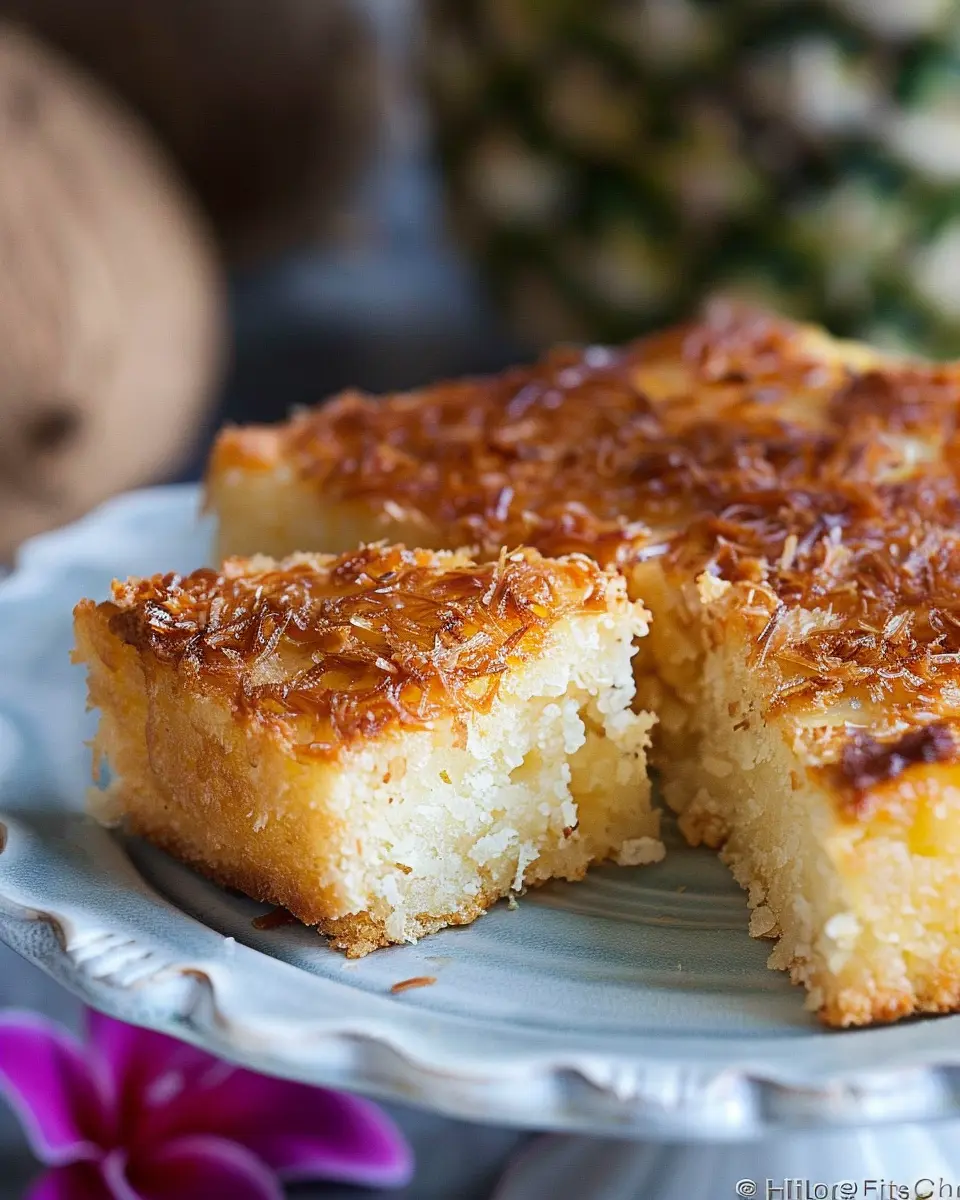
Introduction to Bibingka Filipino Coconut Cake
When it comes to delightful desserts, few can compete with the charm of Bibingka. This delectable Filipino coconut cake is a staple during festive celebrations and has earned a special place in the hearts of many. With its unique taste and rustic presentation, it’s not just a treat, but a full-on experience.
Why Bibingka is a Must-Try Dessert
So, why should you make Bibingka Filipino Coconut Cake a part of your dessert repertoire?
-
Flavor Explosion: Imagine bite-sized pieces of warm, soft cake infused with the fragrance of fresh coconut and sweet rice flour. When you take a bite, the flavors of coconut, sugar, and a hint of salt create a symphony in your mouth. It also often features cheese or salted eggs for that delightful contrast!
-
Versatile Delight: Bibingka is not just reserved for Christmas celebrations; it can be enjoyed year-round! You can customize it to suit any palate – add a scoop of vanilla ice cream for an indulgent treat or sprinkle some fresh mango slices on top for a tropical twist.
-
Cultural Heritage: Enjoying Bibingka is like embracing a piece of Filipino culture. Originating from the Philippines, it’s often made in clay pots lined with banana leaves. This traditional method imparts a unique flavor and aroma you won’t find in regular cakes. Want to dive deeper into its history? Check out this detailed article on the heritage of Filipino cuisine.
-
Easy to Make: Many of you might think that a dessert so rich in flavor must be complicated to prepare. On the contrary! With the right ingredients, making Bibingka at home can be an enjoyable event, especially when you invite friends over for a baking session.
If you’ve never tried making Bibingka before, now is the perfect time to discover its wonderful flavors and textures. With the right ingredients and a little bit of love, you can create a sweet masterpiece that is sure to impress. Keep reading for the full recipe and step-by-step guide to bring this Filipino classic into your own kitchen!

Ingredients for Bibingka Filipino Coconut Cake
Creating a delightful Bibingka Filipino Coconut Cake at home is as enjoyable as eating it! Let’s gather the essential ingredients that transform this traditional treat into a celebratory masterpiece.
The Essentials
- Rice flour: This is the base that gives bibingka its unique texture.
- Coconut milk: Provides that rich, creamy coconut flavor.
- Sugar: Just the right amount to balance the savory notes.
- Baking powder: Helps your cake rise to the perfect puffiness.
- Eggs: Essential for binding and moisture.
- Salt: A pinch enhances the flavors beautifully.
- Butter: Use melted; it adds richness and aroma.
- Grated coconut: If you can find it fresh, it’s a game changer for that real texture!
- Chicken ham or turkey bacon (optional): Adds a savory contrast to the sweet cake.
- Banana leaves: These are for lining your baking dish, giving it an authentic touch and subtle flavor.
Curious about the versatility of bibingka? Check out this resource on traditional Filipino desserts for more inspiration. Now that you have everything ready, you’re just steps away from enjoying a heartwarming slice!
Preparing Bibingka Filipino Coconut Cake
Creating a delicious Bibingka Filipino Coconut Cake at home can seem a bit daunting at first, but trust me, it’s simpler than it looks! Let’s explore this delightful treat together, step by step. Just imagine the warm aroma of coconut and sweetness filling your kitchen as you dive into this culinary adventure.
Gather Your Ingredients
Before we get our hands dirty, let’s make sure you have everything you need. Here’s a simple layout of ingredients for a perfectly moist Bibingka:
- 1 cup of rice flour
- 1 cup of coconut milk
- 1/2 cup of sugar
- 1/2 cup of cream cheese (softened)
- 2 large eggs
- 1/2 cup of shredded coconut
- 1/4 teaspoon of salt
- 1 teaspoon of baking powder
- 2 tablespoons of melted butter
- Optional: turkey bacon or chicken ham pieces for a savory touch
- Optional: toppings like sliced salted eggs and cheese for that traditional flair
Having all your ingredients ready not only streamlines the process but also sets the mood for some delightful baking!
Cream Together Cream Cheese and Sugar
Once you’re all set, it’s time to start mixing! In a medium bowl, take the softened cream cheese and sugar, then cream them together until the mixture is light and fluffy. This step is crucial as it creates a rich base full of flavor for your Bibingka.
Pro tip: If you want a more intense flavor, consider adding a pinch of vanilla extract to the mix. It will definitely elevate the taste!
Incorporate Eggs One at a Time
Crack each egg into the bowl, adding them one by one. Mix well after each addition. Note this step is essential for ensuring the eggs are fully incorporated, leading to a smoother batter. It’s always a bit rewarding to see the mixture transform in front of your eyes, isn’t it?
Add the Remaining Ingredients
Now comes the fun part! Gradually add in the rice flour, coconut milk, shredded coconut, salt, and baking powder into your creamy mixture. Stir until everything is well combined. Feel free to adjust the sugar content to match your taste!
This is also the perfect time to mix in pieces of turkey bacon or chicken ham if you’re feeling adventurous and want to take a savory approach! Many people love that combination, but of course, you can always keep it sweet and simple.
Pour Into the Baking Pan and Add Toppings
Grab a greased pan (typically 8 or 9 inches works best) and pour your batter in evenly. If you’re a fan of generous toppings, here’s where you can sprinkle the sliced salted eggs and cheese on top. They add a beautiful finish and complement the coconut.
While you’re at it, don’t be shy about showing off your beautiful bibingka with some extra shredded coconut!
Bake to Perfection
Now it’s time to pop your Bibingka Filipino Coconut Cake into the oven! Preheat it to 350°F (175°C) and bake for about 25 to 30 minutes or until a toothpick inserted into the center comes out clean. The sweet smell that wafts through your home during this time is going to make you forget the world outside!
And there you have it! Waiting for your cake to cool down might be the hardest part, but trust me, the moment you cut into it and take that first bite will be worth every second.
For more insights into Filipino desserts, check out Explore Philippines for a deeper dive into the rich culinary traditions of the country. Enjoy your baking!
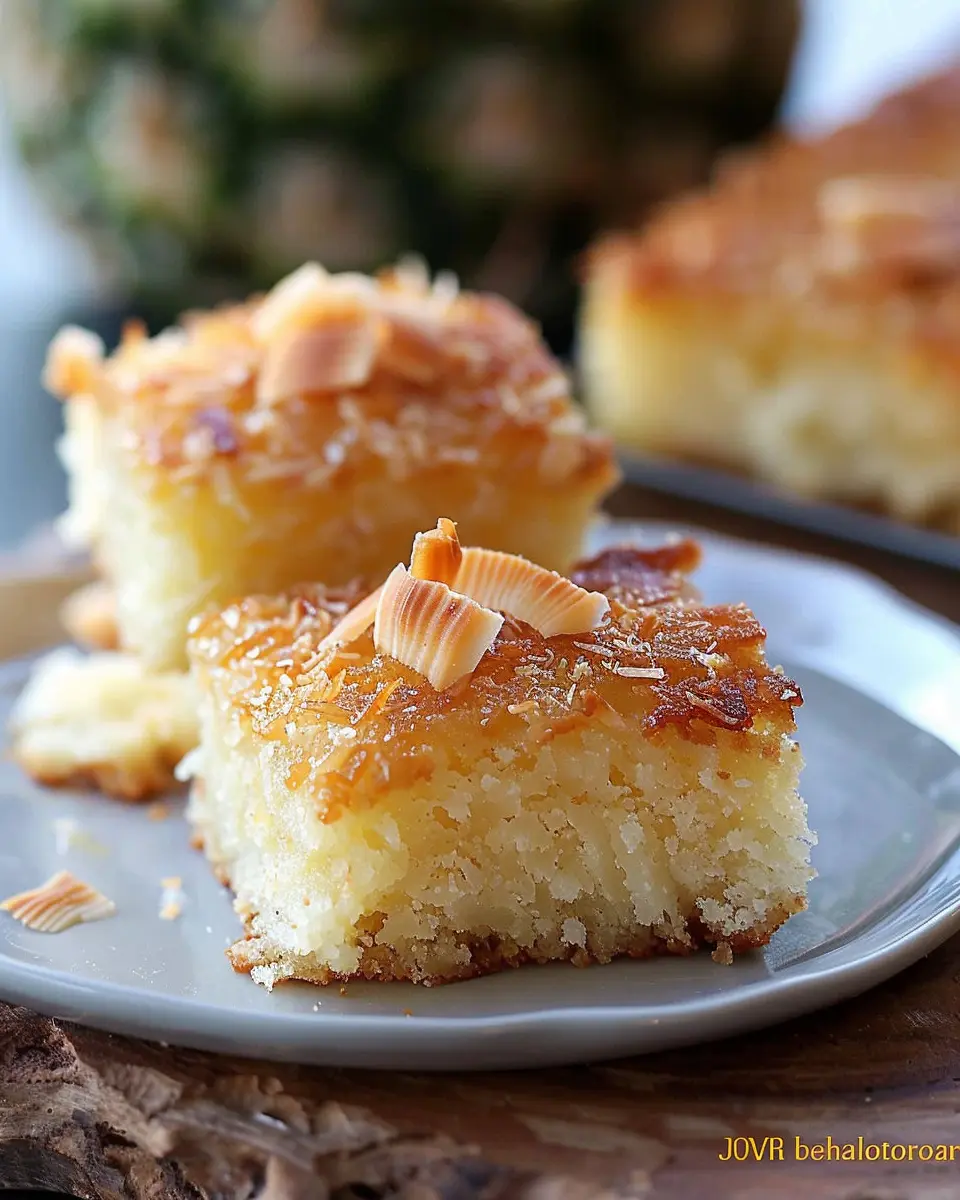
Variations on Bibingka Filipino Coconut Cake
When it comes to bibingka, the traditional Filipino coconut cake, the base recipe offers endless possibilities for delightful variations. Whether you’re craving something fruity or a bit more indulgent, these two twists on the classic will surely delight your palate.
Tropical Fruit Bibingka
Imagine a slice of bibingka Filipino coconut cake infused with the vibrant flavors of tropical fruits! Adding fresh ingredients like mangoes, pineapples, or even jackfruit can elevate the traditional cake to new heights.
- Mango Madness: Fold in diced ripe mangoes into the batter. Not only will you get pockets of sweet goodness, but it will also lend a beautiful color to your cake.
- Pineapple Punch: Using crushed pineapple (drained) gives a juicy burst of flavor that pairs wonderfully with the coconut.
- Jackfruit Bliss: This unique fruit introduces a chewy texture and a subtle sweetness that perfectly complements the cake’s rich flavors.
Feel free to sprinkle some shredded coconut on top before baking for that extra flair! Check out Bon Appétit’s guide on tropical fruits for more ideas here.
Chocolate Bibingka
For the chocolate lovers out there, this variation is a decadent treat that will satisfy your sweet cravings. Adding cocoa powder to the mixture transforms the ordinary bibingka into a rich, fudgy delight.
- Cocoa Infusion: Just substitute about a third of your flour for unsweetened cocoa powder.
- Choco Chips: Simply toss in some semi-sweet chocolate chips for an ooey-gooey texture that melts in your mouth.
Pair this chocolate version with a robust cup of coffee or tea for the perfect afternoon snack. You can find more chocolate-centric recipes from Epicurious that could inspire you here.
These variations not only breathe new life into the classic bibingka but also invite creativity in your own kitchen. So, which one will you try first?
Cooking Tips and Notes for Bibingka Filipino Coconut Cake
Making Bibingka Filipino Coconut Cake can be a delightful experience if you keep a few handy tips in mind!
Choosing the Right Ingredients
- Rice Flour: For an authentic taste, opt for sweet rice flour (or glutinous rice flour). This will give your cake the perfect chewiness.
- Coconut: Fresh grated coconut adds a whole new layer of flavor. If fresh isn’t available, sweetened flaked coconut can work too!
Perfecting the Batter
- Mixing: Avoid overmixing your batter. Just mix until wet and dry ingredients are barely combined for the best texture.
- Rest: Let your batter sit for about 15 minutes. This allows the flavors to meld, creating a richer taste.
Baking Tips
- Baking Dish: Using a traditional bibingka mold or any round cake pan can enhance the presentation.
- Topping: Add slices of Chicken Ham or sprinkle some cheese on top during the last few minutes of baking for extra flavor.
Baking bibingka is all about practice and personal touch. If you’re curious about other classic Filipino desserts, check out resources like The Filipino Food Movement for more inspiration!
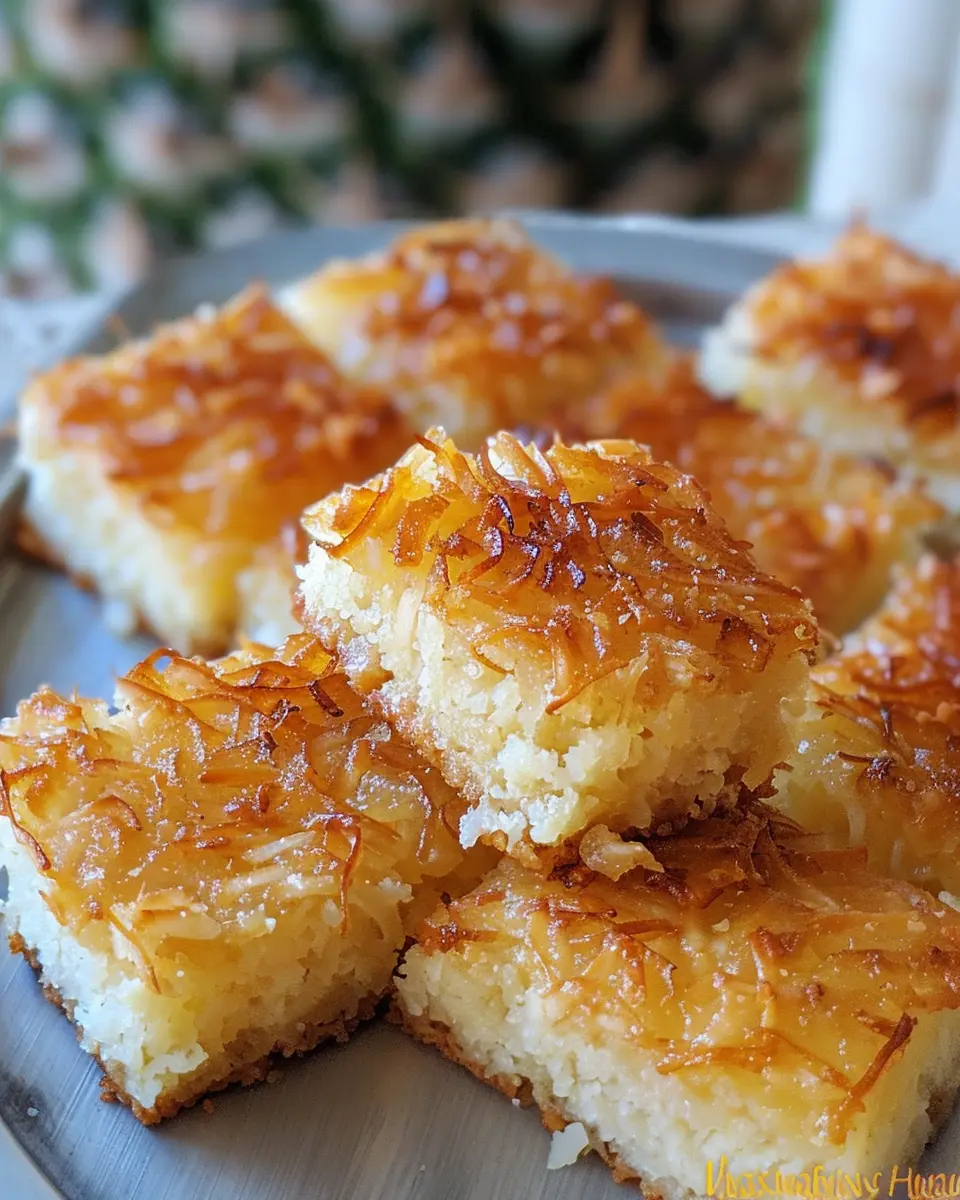
Serving Suggestions for Bibingka Filipino Coconut Cake
When it comes to enjoying your Bibingka Filipino Coconut Cake, the presentation and accompaniments can elevate this delightful treat even further. Here are some serving suggestions to make your experience memorable:
Perfect Pairings
- Fresh Fruits: Serve alongside sliced tropical fruits like mangoes and bananas to enhance the cake’s rich coconut flavor.
- Whipped Cream: A dollop of lightly sweetened whipped cream can add a lovely creamy texture.
- Turkey Bacon: Trying some crispy turkey bacon on the side? This savory element can beautifully contrast the sweetness of Bibingka.
Alternative Drinks
- Fresh Coconut Water: Quench your thirst with refreshing coconut water; its natural sweetness complements the cake wonderfully.
- Herbal Teas: Consider pairing with floral herbal teas like chamomile or jasmine for a soothing experience.
Presentation Tips
- Serving on Banana Leaves: For an authentic touch, serve your bibingka on banana leaves for a beautiful rustic display and a hint of extra flavor.
- Sprinkle Coconut Flakes: Top with toasted coconut flakes or a dusting of powdered sugar to make your Bibingka Filipino Coconut Cake even more enticing.
These thoughtful touches not only enhance the flavor profile but also create a warm and inviting atmosphere for sharing this delightful Filipino delicacy with friends and family. For more on Filipino desserts, consider exploring sources like Serious Eats or Bon Appétit. Enjoy!
Time Breakdown for Bibingka Filipino Coconut Cake
Preparation Time
When making Bibingka Filipino Coconut Cake, set aside about 20-30 minutes to gather your ingredients and whip up the batter. This includes mixing the flour, sugar, coconut, and baking powder, along with preparing your molds. It’s a straightforward process, and the scrumptious aroma of coconut will make it all worthwhile!
Baking Time
Once you have your batter ready, pop it in the oven! The baking time typically takes around 25-30 minutes. You’ll want to check for a golden-brown top and a toothpick inserted in the center should come out clean. Keep an eye on it, as ovens can vary.
Total Time
In total, you’re looking at about 55-60 minutes from start to finish. It’s a short commitment for a delightful treat that can bring smiles to your table. Just imagine sharing slices of this warm coconut cake with friends or family while steaming cups of coffee or tea. It’s a cozy experience!
For more insights on traditional Filipino recipes, consider checking out Delish or Serious Eats for culinary inspiration.
Nutritional Facts for Bibingka Filipino Coconut Cake
When you indulge in a slice of Bibingka Filipino Coconut Cake, it’s not just a delightful treat for your taste buds; it also has some nutritional aspects worth considering.
Calories
A typical serving of Bibingka contains around 160-200 calories. This varies depending on the size and specific ingredients you use, especially if you’re adding toppings like edible salted eggs or grated cheese. While it’s easy to enjoy a couple of slices, remember that moderation is key if you’re keeping an eye on your caloric intake.
Protein
You can expect about 2-4 grams of protein per slice. While this isn’t a protein powerhouse, it does offer some nourishment, particularly when paired with a protein-rich side, like a yogurt dip. For protein lovers, consider pairing your Bibingka with a side of Turkey Bacon for a well-rounded snack.
Sugar Content
The sugar content in Bibingka Filipino Coconut Cake typically ranges from 8-12 grams per slice, depending on the sweetness of the coconut and any additional sweeteners you use. If you’re watching your sugar, you might try reducing the sugar in your recipe or opting for a less sweet variation.
For more insights into healthy eating, check out resources like Healthline or Mayo Clinic.
Embracing delightful treats like Bibingka can be part of a balanced diet. Enjoying them in moderation, and being mindful of their nutritional content, lets you indulge without guilt!
FAQs about Bibingka Filipino Coconut Cake
Can I use different types of flour?
Absolutely! While traditional bibingka Filipino coconut cake often calls for rice flour, you can experiment with alternatives such as all-purpose flour or a gluten-free blend if you have specific dietary needs. Just keep in mind that using rice flour gives a unique texture to the cake that mimics the authentic recipes. Incorporating a mix can lend a new flavor profile, too.
How do I store leftover bibingka?
Storing leftover bibingka is simple! Allow it to cool completely, then wrap it in plastic wrap or place it in an airtight container. You can store it at room temperature for up to two days. For longer storage, it’s best to refrigerate it, where it can last up to a week. Just be sure to reheat it in the oven for that freshly baked taste!
Is bibingka gluten-free?
Yes, bibingka can be gluten-free! By using rice flour or a dedicated gluten-free flour blend, you can enjoy this treat without worrying about gluten. However, if you’re buying pre-packaged flour, always check for a gluten-free certification to ensure there’s no cross-contamination.
If you’re eager to learn more about the origins and variations of this delectable cake, check out resources from Serious Eats or The Spruce Eats for a deeper dive. Enjoy your baking adventure!
Conclusion on Bibingka Filipino Coconut Cake
In closing, Bibingka Filipino Coconut Cake is more than just a dessert; it’s a celebration of culture and tradition. Its unique blend of flavors—sweet coconut, rich butter, and the hint of cheese—creates an experience that resonates deeply with Filipino heritage. Whether you’re enjoying this cake during the holidays or savoring it on a rainy afternoon, its warmth is inviting.
If you’re new to making bibingka, don’t fret! With a little patience and practice, you can easily master this delightful recipe. Sharing it with friends and family is a wonderful way to strengthen connections and create lasting memories. As you undertake this baking adventure, consider pairing your bibingka with a cup of warm salabat (ginger tea) for a comforting finish. Ready to impress your loved ones with this traditional treat? Happy baking!
For additional cultural insights about Filipino desserts, check out resources from Filipino recipe blogs and local culinary experts.
PrintBibingka Filipino Coconut Cake: Easy and Delicious Holiday Treat
Bibingka is a traditional Filipino coconut cake, perfect for the holidays and easy to make.
- Prep Time: 15 minutes
- Cook Time: 30 minutes
- Total Time: 45 minutes
- Yield: 8 servings 1x
- Category: Dessert
- Method: Baking
- Cuisine: Filipino
- Diet: Vegetarian
Ingredients
- 2 cups rice flour
- 1 cup coconut milk
- 1 cup sugar
- 1 ½ tsp baking powder
- ¼ tsp salt
- 2 eggs
- 1 cup shredded coconut
- ½ cup butter, melted
- 1 cup water
Instructions
- Preheat the oven to 375°F (190°C).
- In a bowl, mix the rice flour, sugar, baking powder, and salt.
- Add the eggs, coconut milk, melted butter, and water to the dry ingredients and mix well.
- Fold in the shredded coconut.
- Pour the batter into a greased baking dish.
- Bake for 25-30 minutes or until golden brown.
- Let it cool before slicing and serving.
Notes
- For added flavor, you can top with cheese or salted eggs before baking.
- Serve warm for the best experience.
Nutrition
- Serving Size: 1 slice
- Calories: 250
- Sugar: 10g
- Sodium: 150mg
- Fat: 12g
- Saturated Fat: 7g
- Unsaturated Fat: 4g
- Trans Fat: 0g
- Carbohydrates: 32g
- Fiber: 2g
- Protein: 4g
- Cholesterol: 80mg
Keywords: Bibingka, Filipino Coconut Cake, Holiday Treat