Introduction to Amish White Bread
There’s something undeniably rewarding about baking your own bread, and when it comes to the Amish White Bread recipe, the experience becomes even more special. Homemade bread is a game-changer for many reasons, and let’s dive into a few that stand out.
Why Homemade Bread is a Game-Changer
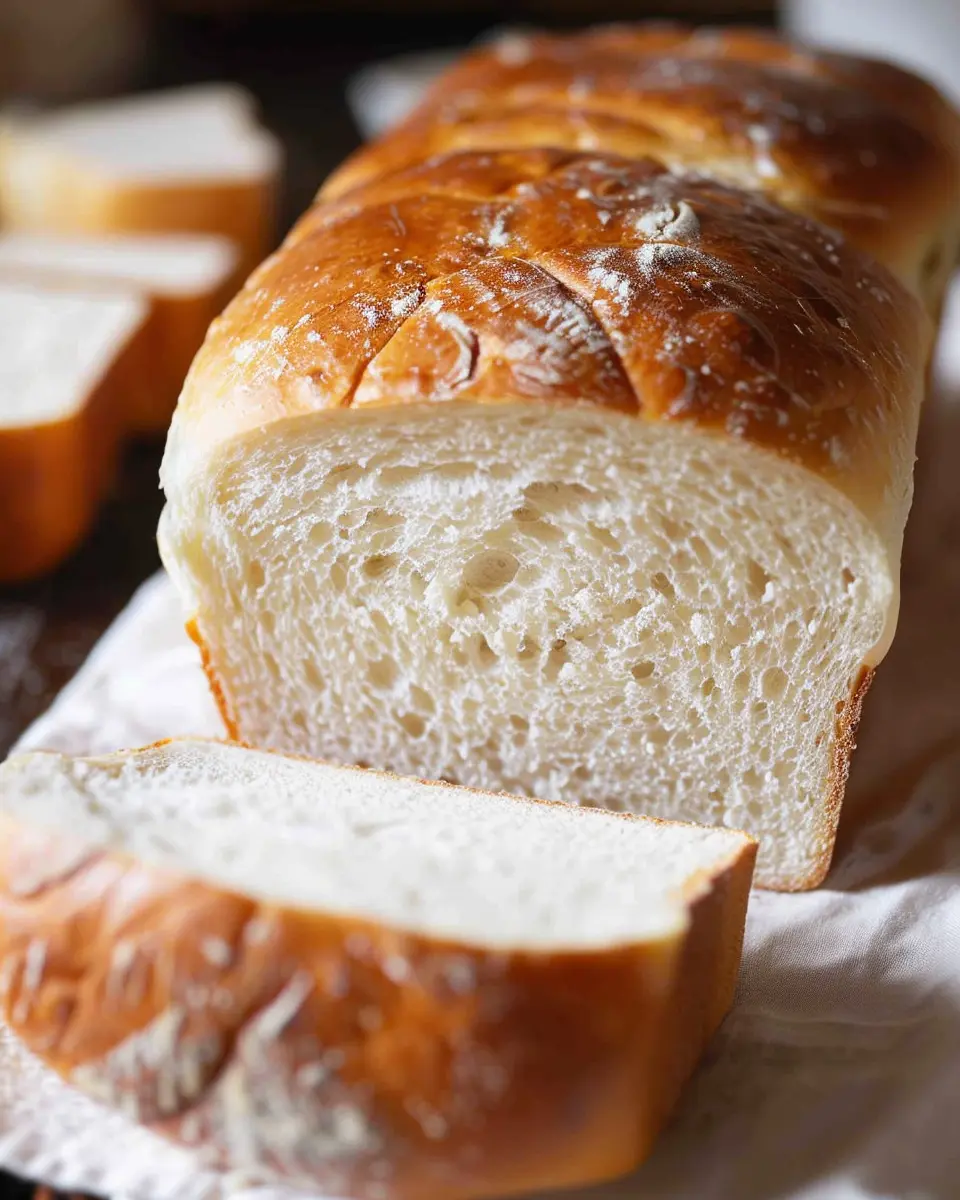
First off, let’s talk about freshness. Nothing compares to pulling a loaf of bread straight from the oven, its golden crust crackling as it cools. The aroma alone can transform your home, creating a warm, inviting atmosphere. And when you slice into that fluffy white goodness, you’ll realize just how much better it tastes than anything store-bought. Did you know that baking your own bread allows you to control the ingredients? You can customize flavors, choose organic ingredients, and even sneak in healthier options, making it a much more nutritious choice. Plus, you’ll avoid the preservatives and additives often found in commercial varieties.
Then, there’s the sense of accomplishment that comes with mastering the art of bread-making. There’s a certain pride that swells within when you realize you’ve created something so fundamental yet rewarding. Friends and family will admire your skills, and the compliments will be endless. Want to impress them further? Pair your homemade Amish White Bread with delicious spreads, like homemade jams or even turkey bacon and chicken ham for a delightful brunch.
Finally, making your bread can be a great stress reliever and a wonderful way to slow down. In our fast-paced world, the ritual of kneading and waiting for dough to rise provides a meditative break from technology and constant distractions. It gives you a chance to connect with the process, to appreciate the beauty of baking.
If you’re looking to dive deeper into the world of bread-making, consider checking out King Arthur Baking for more tips and guides on perfecting your technique. With all of these fantastic reasons to try baking, it’s time to roll up your sleeves and get started on your journey to homemade Amish White Bread!
Ingredients for Amish White Bread
Amish white bread is a beloved staple that appeals to many, offering warmth and comfort with every slice. To achieve that perfect loaf, it’s crucial to have the right ingredients on hand. Let’s explore the essentials!
Essential ingredients for a perfect loaf
To create your Amish white bread, you’ll need a few straightforward ingredients that work harmoniously together:
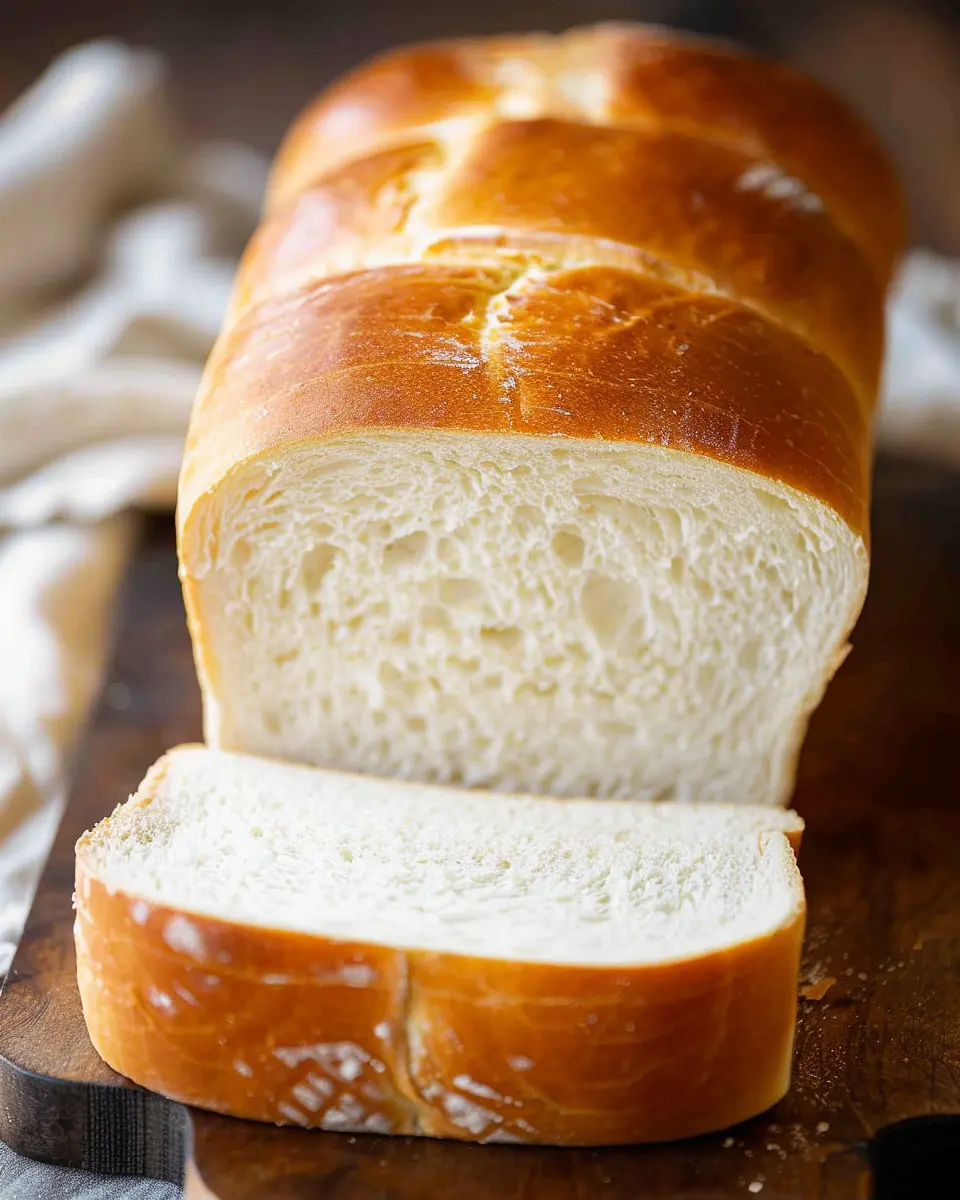
- All-purpose flour: This forms the base of the bread, providing structure and a soft texture.
- Granulated sugar: Just a touch is needed to enhance sweetness and aid in yeast activation.
- Active dry yeast: This is the magic ingredient that helps the bread rise, giving it that lovely fluffy characteristic.
- Salt: Enhances flavor and helps strengthen the dough.
- Warm water: Activates the yeast; the water should be around 110°F to ensure optimal rising.
- Vegetable oil: This adds moisture and richness to your bread.
Each ingredient plays a pivotal role, so it’s worth investing in quality for that mouthwatering result. If you’re looking for more bread-making tips, consider checking out sources like King Arthur Baking for expert insight. Can you already smell that freshly baked goodness? It’s time to get started!
Preparing Amish White Bread
Making Amish white bread at home is an incredible experience that not only fills your kitchen with an irresistible aroma but also satisfies your cravings with its rich, fluffy texture. Each step adds layers of flavor and builds anticipation for that first warm slice. So let’s get started on this delightful journey!
Activate the yeast
The foundation of any great bread is a successful yeast activation. Start by gathering your ingredients. You’ll need 2 ¼ teaspoons (one packet) of instant yeast. In a small bowl, combine the yeast with 1 cup of warm water (about 110°F) and a teaspoon of sugar. Let the mixture sit for 5-10 minutes until it becomes frothy. This is your yeast getting excited, and if it doesn’t bubble up, it may be time to buy fresh yeast.
Mix the dry ingredients
While your yeast is activating, tackle the dry ingredients. In a large mixing bowl, combine:
- 5 to 6 cups of all-purpose flour
- 2 teaspoons of salt
- 2 tablespoons of sugar
Start with 5 cups of flour and adjust later if necessary. Whisk these ingredients together to ensure they are evenly distributed. This step may seem petty, but taking a moment to mix thoroughly will help your dough rise more consistently.
Combine and knead the dough
Once your yeast is bubbly, it’s time to bring everything together. Pour the yeast mixture into the bowl with the dry ingredients, and add ¼ cup of vegetable oil. Stir with a wooden spoon until a shaggy dough forms.
Now comes the fun part: kneading! Transfer the dough onto a floured surface and knead for about 8-10 minutes. To do this, fold the dough over, push it down and away with the heel of your hand, then turn it 90 degrees and repeat. Your goal is a smooth, elastic dough—picture the kind of bread you’d get at a cozy bakery. Don’t hesitate to sprinkle in a bit more flour if the dough feels too sticky.
First rise for fluffy texture
Place the kneaded dough in a greased bowl, cover it with a clean kitchen towel, and let it rise in a warm, draft-free spot for about 1 to 2 hours, or until it has doubled in size. This is an excellent time to think about what you’ll do with that fresh bread—perhaps some turkey bacon sandwiches or a side for chicken ham? The possibilities are endless!
Shape and prepare for the second rise
After your dough has risen beautifully, punch it down gently to release the air. Lightly flour your work surface again and shape the dough into a large ball. Divide it into two equal portions and shape each into a loaf. Place the loaves into greased bread pans and cover them once more with that kitchen towel. Let them rise for another 30-45 minutes, until they are puffy and nearly touching the top of the pans.
Baking to golden perfection
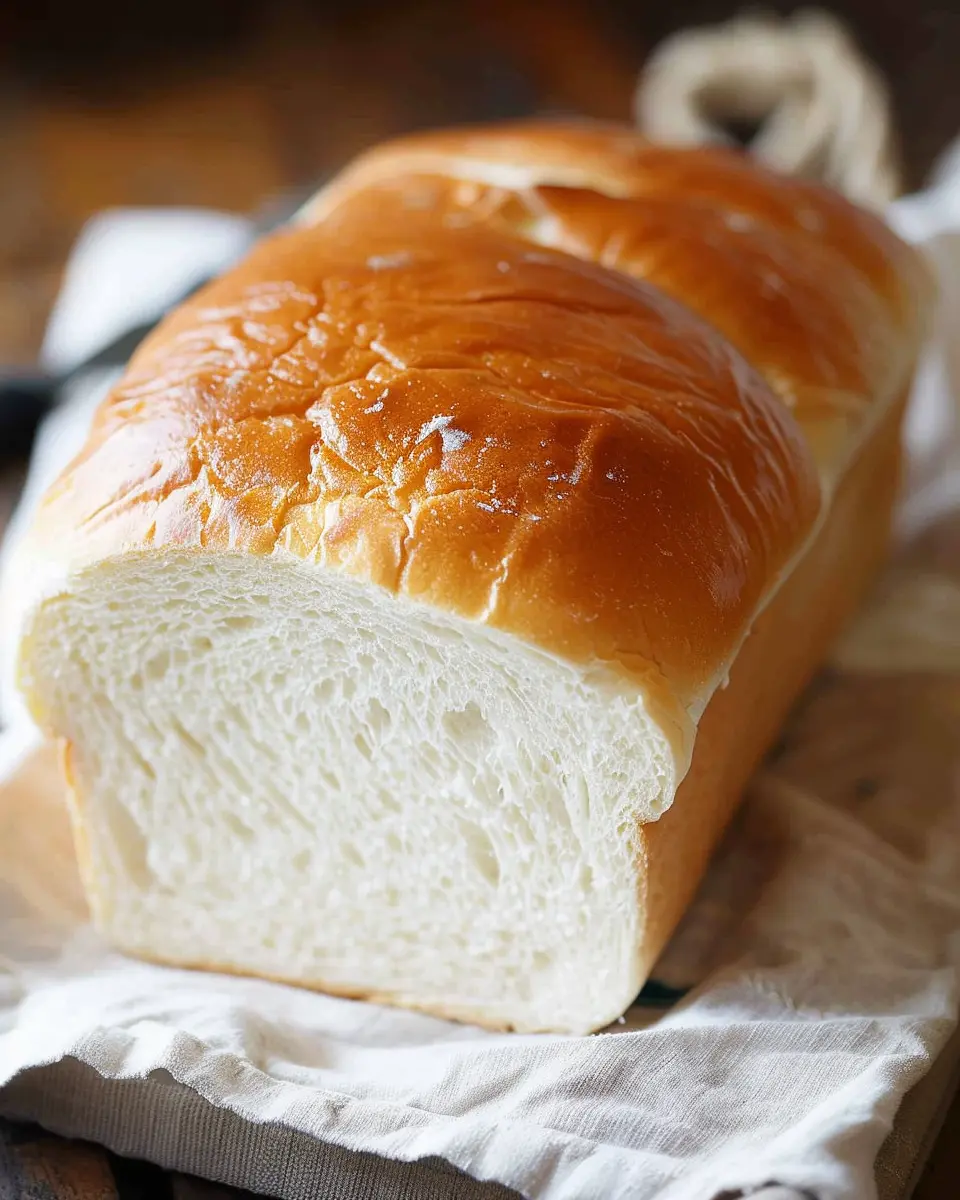
Preheat your oven to 350°F. Once the second rise is complete, it’s time to bake your Amish white bread! Slide the pans into the oven and bake for about 30-35 minutes. You’ll know they’re ready when they’re golden brown and sound hollow when tapped on the bottom. For an added touch of brilliance, brush the tops lightly with melted butter just as they come out of the oven.
Allow the loaves to cool in the pans for a few minutes before moving them to a wire rack to cool completely. Now, slice, toast, or enjoy as you please—your homemade Amish white bread is ready to be devoured!
By following these steps, not only will you master the art of bread-making, but you’ll also warm your home and create delicious memories. For more tips and variations, feel free to explore resources like the National Bread and Flour Association, which offers insights into the craftsmanship of bread-making. Happy baking!
Variations on Amish White Bread
Amish white bread is delightfully versatile, allowing you to explore flavors and textures beyond its traditional roots. Here are some mouthwatering variations you might want to try!
Whole Wheat Amish Bread
If you’re looking to incorporate more whole grains into your diet, whole wheat Amish bread is a fantastic option. Simply substitute half or all of the white flour with whole wheat flour for a denser loaf with added nutrients. Not only does this variation add a nutty flavor, but whole grains are linked to numerous health benefits, including reduced heart disease risk. To enhance the texture, consider adding a tablespoon of vital wheat gluten.
Herb-Infused Amish Bread
Elevate your Amish white bread experience with an herb-infused twist. Simple yet flavorful, this variation can transform your loaf into a fragrant side for soups or salads. Incorporate dried herbs like rosemary, oregano, or thyme right into your dough. For a fresh touch, consider adding minced garlic or finely chopped fresh herbs during the mixing stage. Your kitchen will smell heavenly, and the satisfying blend of flavors will impress anyone who tries it!
Sweet Cinnamon Amish Bread
For those with a bit of a sweet tooth, this sweet cinnamon Amish bread variation is a delightful treat. Add a sprinkle of cinnamon and sugar to your dough before rising, and you can even swirl a cinnamon-sugar filling into the center. This makes for a perfect breakfast option or a lovely snack with coffee. Plus, it’s a wonderful base for French toast—talk about starting your day right!
Whether you choose to bake a classic loaf or one of these exciting variations, you’re certain to enjoy the rewarding process of making Amish white bread at home. Happy baking! For more tips on baking techniques, check out sources like King Arthur Baking or The Kitchn.
Cooking Tips and Notes for Amish White Bread
Troubleshooting Common Issues
Baking Amish white bread can be a deeply satisfying experience, but sometimes things don’t go as planned. Here are a few common hiccups and how to resolve them:
- Dough Too Sticky? If your dough is sticking excessively, add a little more flour, a tablespoon at a time, until it’s manageable.
- Bread Not Rising? Ensure your yeast is fresh. A quick test: Mix it with warm water and sugar. If it froths after a few minutes, you’re good to go!
For more yeast troubleshooting tips, consider checking out some expert advice from The Kitchn.
How to Achieve the Perfect Crust
The crust of your Amish white bread can really elevate the whole loaf. For a crust that’s golden, crunchy, and inviting:
- Steam it Up: Place a pan of hot water in the oven while baking for the first 10-15 minutes. This creates steam, helping to develop that beautiful crust.
- Egg Wash Bonus: Apply an egg wash (beat one egg with a teaspoon of water) on top before baking for an extra glossy finish.
With these tips, you’ll be enjoying delicious homemade Amish white bread that looks as good as it tastes!
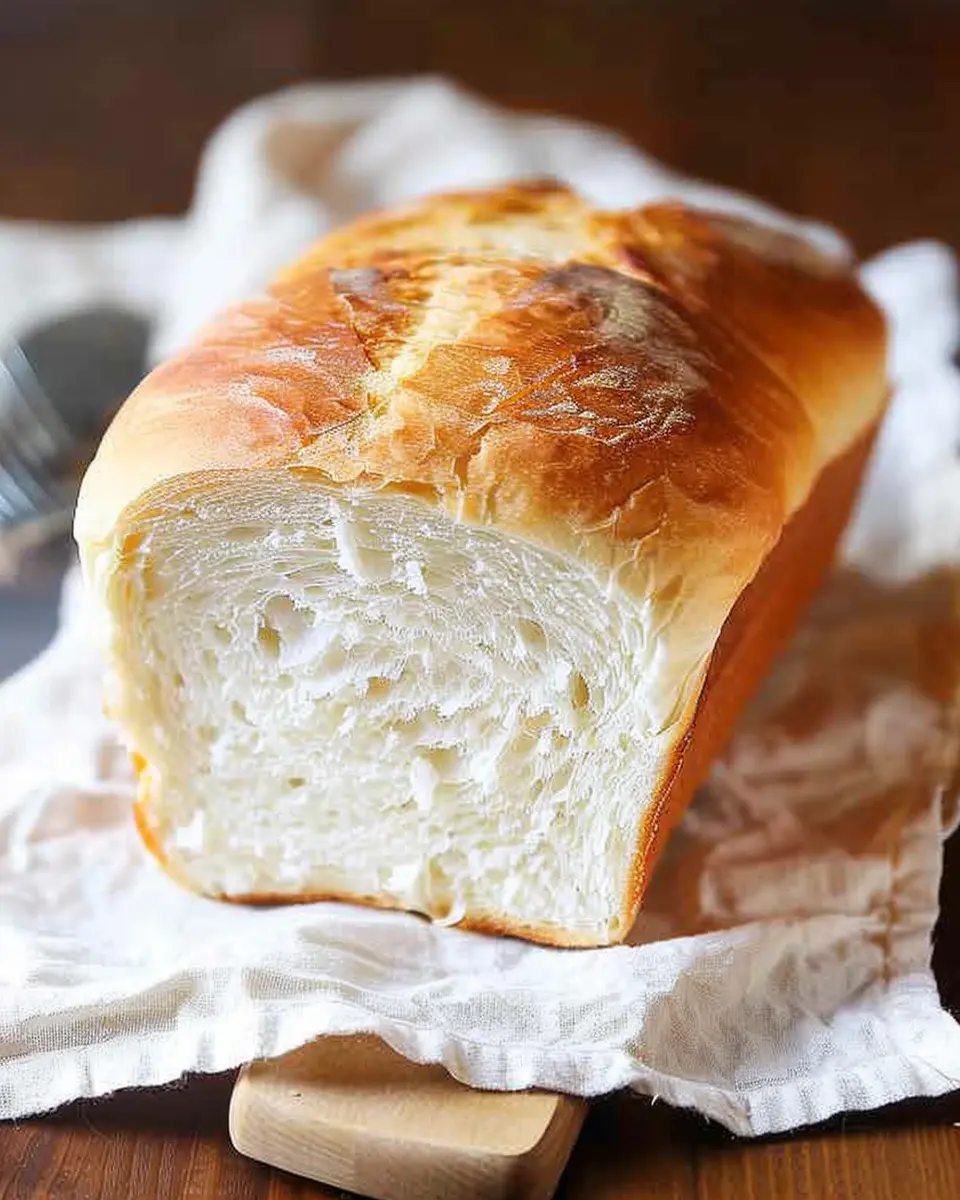
Serving suggestions for Amish White Bread
Delicious ways to enjoy your bread
Amish white bread is a versatile and delectable staple that can elevate any meal. Whether you’re slicing it for a cozy breakfast or whipping up tasty sandwiches for lunch, this bread has you covered! Try it toasted with a pat of butter—simple yet delicious. You can even top it with homemade fruit preserves or peanut butter for a sweet twist. The soft, fluffy texture provides the perfect base for a hearty breakfast sandwich, layered with scrambled eggs and turkey bacon.
Pairing ideas for breakfast and lunch
If you’re looking to indulge your taste buds, consider pairing Amish white bread with:
- Breakfast: A classic avocado toast topped with poached eggs or a spread of cream cheese and smoked salmon.
- Lunch: Sliced chicken ham and fresh veggies for a refreshing sandwich, or enjoy it with a comforting bowl of homemade soup.
The possibilities are endless! For more ideas on how to use Amish white bread, you might want to check out this guide on creative bread uses. Enjoy every bite!
Time breakdown for Amish White Bread
Preparation time
Making Amish white bread starts with a fun and straightforward preparation process. You’ll need about 15 minutes to gather your ingredients and mix them together. This includes measuring out the flour, sugar, salt, and yeast. Pro tip: have everything at room temperature for the best results!
Rising time
This is where the magic happens! Allow your dough to rise for about 1 to 2 hours. You want it to double in size, which gives you that fluffy texture we all love in Amish white bread. Be patient; it’s worth the wait!
Baking time
Baking takes around 30 to 35 minutes. Preheat your oven to 350°F and pop in the dough until it’s golden brown and sounds hollow when tapped on the bottom.
Total time
In total, you’ll spend about 2 to 2.5 hours from start to finish. But remember, most of that time is hands-off, making this an easy and rewarding project for your busy day. Why not enjoy a slice with some turkey bacon or chicken ham once it’s ready? Happy baking!
For more insights on bread-making, check out King Arthur Baking.
Nutritional facts for Amish White Bread
When indulging in Amish white bread, it’s handy to know what you’re fueling your body with. This delightful homemade bread is not just tasty but also provides some nutritional benefits.
Calories
A single slice of Amish white bread typically contains around 80-100 calories. This makes it a reasonable option for your balanced diet, especially when you’re mindful of your overall caloric intake.
Carbohydrates
One slice of Amish white bread is rich in carbohydrates, offering about 15-20 grams per serving. Carbs are crucial for energy, especially for those of us who lead busy lifestyles.
Dietary Fiber
Dietary fiber is often overlooked, but it plays a key role in digestion. Each slice of Amish white bread provides around 1-2 grams of dietary fiber, which can contribute to your daily intake and help keep you feeling satisfied.
For a deeper dive into the health benefits of homemade breads, check out the Whole Grains Council. They provide fantastic insights on how fiber supports digestion and general well-being. Want more tips on healthy eating? The USDA MyPlate site is a great resource for balanced diet guidance.
Enjoy your baking journey with Amish white bread, and remember that moderation is key to enjoying it as part of a healthy lifestyle!
FAQs about Amish White Bread
How do I store homemade bread?
Storing your homemade Amish white bread correctly can keep it fresh and delicious for longer. After baking, let the bread cool completely. Once cooled, wrap it tightly in plastic wrap or aluminum foil. You can also store it in a breadbox or an airtight container at room temperature for up to 3-4 days. If you notice it starting to get stale, you can always revive it with a few seconds in the toaster for a delightful crunch.
Can I freeze Amish white bread?
Absolutely! Freezing is a fantastic option, especially if you baked a large batch of Amish white bread. Once your bread has cooled, slice it into portions so you can easily grab what you need later. Wrap each portion in plastic wrap, then place them in a freezer-safe bag to avoid freezer burn. Your bread can last in the freezer for up to 3 months. When you’re ready to enjoy it, simply thaw at room temperature or pop it into the toaster for a warm, fresh-out-of-the-oven experience.
What can I do if my bread didn’t rise?
If your Amish white bread didn’t rise, don’t despair! There are a few common culprits to check. First, ensure your yeast is fresh. Old or improperly stored yeast can lose its potency. Second, the temperature of your liquid ingredients matters. Too hot can kill the yeast, while too cold may not activate it at all. Lastly, make sure you’re giving the dough enough time in a warm place to rise properly—patience is key!
For more bread-making tips, consider checking resources like King Arthur Baking or The Kitchn. Happy baking!
Conclusion on Amish White Bread
Embracing homemade bread in your kitchen
Baking Amish white bread at home is more than just following a recipe—it’s an invitation to create something special in your kitchen. There’s a unique joy in kneading the dough and the delightful aroma that fills your home as it bakes. Not only does homemade bread taste better, but it also allows you to control the ingredients, making it healthier and free from preservatives.
Consider pairing your Amish white bread with spreads like homemade jam or enjoying it alongside soups and salads. Embracing this age-old tradition can bring comfort and warmth to your routine. Ready to take the leap? Start your journey into the world of baking today—you won’t regret it! For more inspiration, check out resources like The Bread Monk for tips and techniques.
PrintAmish White Bread: The Easiest Way to Bake Homemade Bliss
Learn how to make Amish White Bread, a simple yet delicious homemade recipe perfect for any occasion.
- Prep Time: 15 minutes
- Cook Time: 35 minutes
- Total Time: 2 hours
- Yield: 2 loaves 1x
- Category: Bread
- Method: Baking
- Cuisine: American
- Diet: Vegetarian
Ingredients
- 4 cups all-purpose flour
- 1 tablespoon sugar
- 1 tablespoon salt
- 1 tablespoon active dry yeast
- 1 ½ cups warm water
- 2 tablespoons vegetable oil
Instructions
- In a large mixing bowl, combine the warm water, sugar, and yeast. Let it sit for about 5 minutes until it becomes frothy.
- Mix in the salt and oil. Gradually add the flour, 1 cup at a time, until a soft dough forms.
- Knead the dough on a floured surface for about 5-7 minutes until smooth and elastic.
- Place the dough in a greased bowl, cover it with a cloth, and let it rise in a warm area until doubled in size, about 1 hour.
- Punch down the dough and divide it into two equal pieces. Shape each piece into a loaf and place them in greased bread pans.
- Cover and let them rise again until doubled, about 30-45 minutes.
- Bake in a preheated oven at 350°F (175°C) for 30-35 minutes until golden brown.
- Remove from the oven and cool on a wire rack before slicing.
Notes
- For a richer flavor, consider adding a little butter to the dough.
- This bread is perfect for sandwiches or toasting.
Nutrition
- Serving Size: 1 slice
- Calories: 120
- Sugar: 1g
- Sodium: 200mg
- Fat: 3g
- Saturated Fat: 0.5g
- Unsaturated Fat: 2g
- Trans Fat: 0g
- Carbohydrates: 23g
- Fiber: 1g
- Protein: 3g
- Cholesterol: 0mg
Keywords: AMISH WHITE BREAD, homemade, bread recipe, easy bread