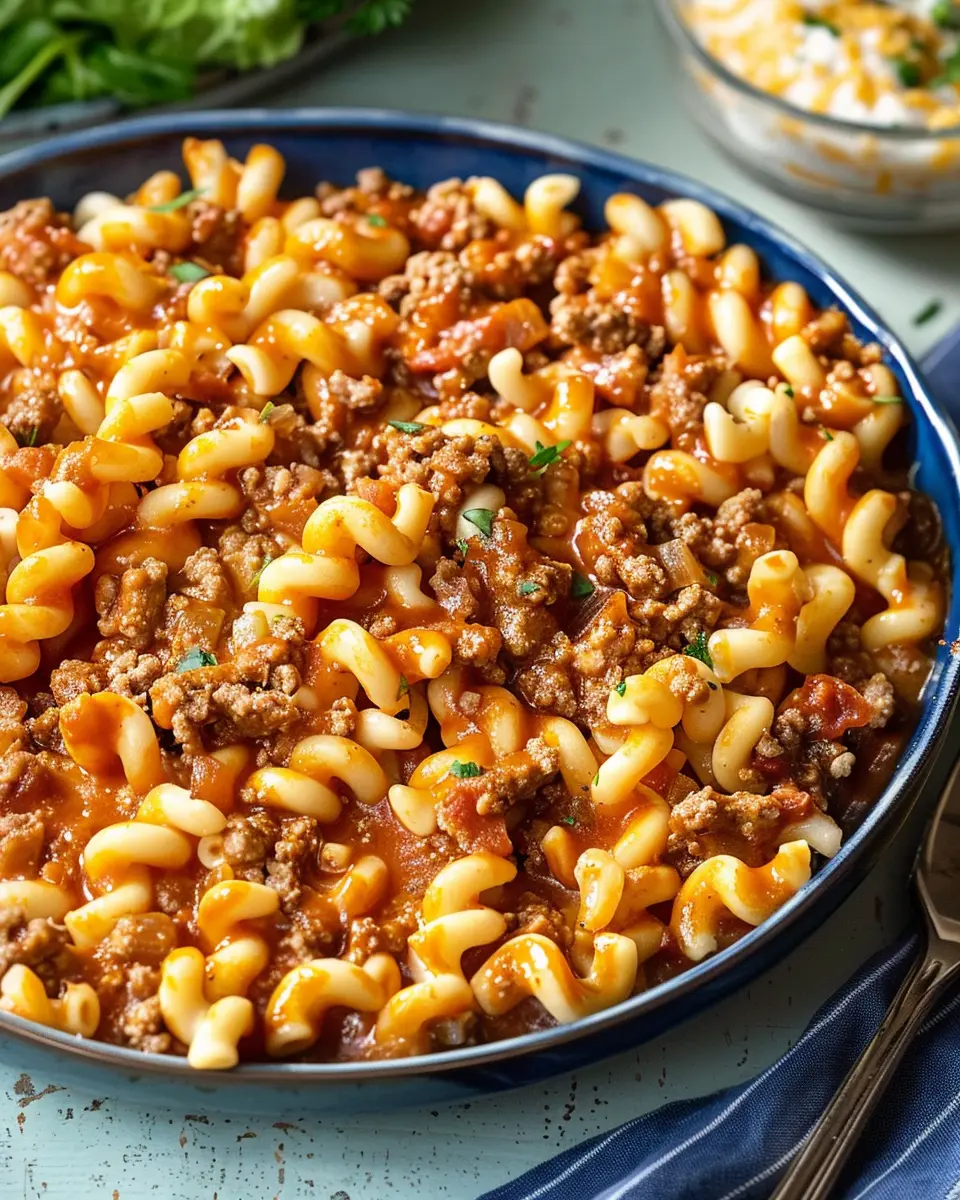
Introduction to Amish Recipes
Amish cuisine is quietly captivating, intertwining tradition and simplicity in ways that resonate deeply with today’s young professionals. As busy individuals seeking quick yet wholesome meals, many find solace in Amish recipes that promise hearty flavors without unnecessary complexity. But what makes these recipes so appealing to the modern palate?
Why Amish Recipes Resonate with Young Professionals
In an age filled with fast food and elaborate culinary trends, the straightforwardness of Amish cuisine stands out. One reason young professionals are gravitating toward these recipes is the emphasis on fresh, whole ingredients. Amish cooking values local produce, which not only supports community farmers but also offers unparalleled flavor and nutrition. If you’re interested in sustainable eating, exploring the Amish approach can be a delightful and enlightening experience. You can learn more about ethical eating habits from sources like the Joy of Cooking or similar culinary resources.
Another attractive aspect is the warmth and comfort these meals evoke. Think of a cozy Sunday evening spent with family around the table, enjoying a comforting bowl of chicken and dumplings or a rich beef stew. This sense of community and connection ties deeply to the essence of Amish cooking, which often features recipes passed down through generations.
Simplicity Meets Flavor
The beauty of Amish recipes lies in their ability to deliver robust flavors without the aid of complicated techniques or obscure ingredients. Young professionals often prioritize efficiency, and these recipes align perfectly with that goal. Mouthwatering dishes like turkey bacon skillet meals or hearty casseroles use minimal prep time while packing major taste. Plus, they allow for creativity—feel free to swap in seasonal vegetables you have on hand.
A Busy Lifestyle in Harmony with Tradition
Incorporating Amish cuisine into your meal prep not only simplifies cooking but also provides comfort in our increasingly hectic lives. You might find yourself enjoying the process of cooking more when you engage with these timeless recipes. They manage to bring a little bit of that simpler, slower way of life into your kitchen, prompting us to cherish each meal.
Whether you’re hosting friends for a dinner gathering or just treating yourself to a nourishing meal, exploring Amish recipes could lead you to some delightful discoveries. So, let’s dive into the heart of Amish cooking and unearth the joy of preparing and enjoying these cherished dishes together.
Key Ingredients for Amish Recipes
Essential staples for authentic Amish cooking
When diving into Amish recipes, you’ll find that the foundation lies in a handful of essential staples. These include fresh dairy products, locally sourced grains like cornmeal and flour, and protein options such as Turkey Bacon and Chicken Ham. These ingredients not only reflect the simplicity of Amish cooking but also highlight a connection to sustainable farming practices.
Fresh produce and its importance
One of the hallmarks of Amish recipes is the emphasis on fresh produce. Seasonal vegetables and fruits—often cultivated in personal gardens—add not just flavor but also nutrition. Think of juicy tomatoes, crisp green beans, and home-grown peppers that truly transform dishes. According to the USDA, the consumption of fresh produce can significantly contribute to your daily nutrient intake, making meals both delicious and healthy.
Flavorful additions that make a difference
To elevate your dishes, don’t overlook flavorful additions like herbs, spices, and homemade sauces. From simple salt and pepper to more complex flavors like basil and rosemary, these can enhance your meals exponentially. Plus, consider adding a touch of homemade apple butter or locally made jam. These small enhancements can turn a basic recipe into an unforgettable experience.
Have fun experimenting with these ingredients to create heartwarming Amish dishes that resonate with tradition and community! For further reading on the influence of local ingredients, check out The Farm to Table Movement.
Preparing Your Authentic Amish Recipes
When it comes to preparing Amish recipes, the beauty of these dishes lies not just in the flavors, but in the process. Making authentic Amish food feels like gathering around a community table, and with a little preparation, anyone can embark on this culinary journey. Let’s dive into how you can create these delightful dishes from scratch.
Gather Your Ingredients
Before you can whip up a delectable meal, you need to ensure you have all your ingredients in place. Amish recipes often rely on fresh, simple, and local produce. This is a cornerstone of Amish cooking philosophy. Start by creating a checklist. Here are some staples commonly found in traditional Amish dishes:
- Fresh vegetables (potatoes, corn, onions)
- Grains (flour, oats, cornmeal)
- Dairy products (milk, butter, cheese)
- Proteins (chicken ham, turkey bacon)
- Spices (salt, pepper, cinnamon)
Don’t hesitate to explore local farmers’ markets or your neighborhood grocery store for these items. Support local farmers when you can, as this not only boosts the community but also guarantees fresh ingredients. You can check out resources like LocalHarvest to find nearby markets.
Prep Work and Kitchen Tools You’ll Need
Once you’ve gathered your ingredients, it’s time to prepare your kitchen. To honor the simplicity of Amish recipes, you don’t need fancy gadgets; just some essential cooking tools will do:
- A sturdy cutting board
- Sharp knives for chopping
- Mixing bowls
- Measuring cups and spoons
- A heavy-duty pot for stovetop cooking
- A baking dish for oven preparations
- A slow cooker if you prefer low-and-slow recipes
Take a moment to clean and organize your workspace. You’ll be amazed at how a tidier kitchen can allow your creativity to flow. Plus, having everything set before you start cooking is key in ensuring that you can follow the recipe seamlessly.
Cooking Methods: Stovetop, Oven, or Slow Cooker?
Depending on the Amish recipe you choose, the cooking method can greatly impact the final dish. Each technique brings its own charm:
-
Stovetop: Ideal for dishes that require quick cooking and often flavor-enhancing stirring, such as stews or sautéed vegetables.
-
Oven: Perfect for baking casseroles, breads, or roasted meals, allowing flavors to meld perfectly, creating that signature Amish comfort food.
-
Slow Cooker: If you have a busy day ahead, this method is a fantastic way to allow your meal to develop deep flavors while you go about your routine.
Understanding which method suits your dish best not only makes cooking more efficient but also brings out the authentic tastes of traditional Amish food.
Follow the Detailed Recipe Steps
Now the fun begins! With your ingredients ready and your tools at hand, it’s time to carefully follow the recipe steps. Each Amish recipe usually has a few components:
-
Preparation: Chop, dice, and measure your ingredients as indicated.
-
Cooking: Follow the assigned method, being mindful of cooking times and temperatures.
-
Finishing Touches: Don’t forget garnishes or seasonings that can elevate a good dish to a great one—think herbs, fresh cream, or a sprinkle of cheese.
Engage with the process and enjoy the aromas that fill your kitchen. Cooking is an invitation to unwind and be present, so savor these moments.
Common Mistakes to Avoid in Amish Cooking
While prepping and cooking, watch out for a few common pitfalls:
-
Neglecting Seasoning: Amish recipes often shine through their simple, robust flavors. Don’t skip the salt and pepper; season as you go for the best results.
-
Overcooking or Undercooking: Pay attention to cooking times, especially when using a slow cooker. Check for doneness to avoid disappointment.
-
Ignoring Ingredient Temperatures: Using room temperature ingredients, particularly eggs and dairy, can drastically improve the texture of baked goods.
Remember, cooking is as much about enjoyment as it is about nourishment. Embrace the process, learn from your experiences, and celebrate every creation from your kitchen. Happy cooking!

Variations on Traditional Amish Recipes
Creative twists on classic recipes
Traditional Amish recipes are known for their hearty flavors and wholesome ingredients. Why not embrace your inner culinary artist and add a unique twist to these beloved classics? For instance, try using chicken ham in your Amish pot pie instead of the usual beef. This not only provides a lighter option but also complements the flaky crust beautifully. You could even experiment by adding a hint of coconut milk to the creamy filling, which gives a delightful richness!
Utilizing seasonal produce for variations
Embracing seasonal produce is another fantastic way to innovate on your favorite Amish recipes. During summer, consider incorporating fresh zucchini into your famous Amish zucchini bread recipe. It increases moisture and adds a hint of sweetness! In the fall, pumpkin can be a delightful addition to baked goods, providing deep flavors that harken back to traditional Amish harvests. Remember, using local ingredients not only supports your community but also enhances the taste of your meals!
Substitutes to accommodate dietary preferences
Have dietary restrictions? No problem! Adapting Amish recipes doesn’t mean sacrificing flavor. Swap out regular bacon for turkey bacon to enjoy a healthier version of classic breakfast dishes. Similarly, you can replace sugar with alternatives like maple syrup for a natural sweetness in desserts while keeping your recipes authentic. For those looking for gluten-free options, try using almond flour for thickening sauces or baking—you might just discover a new family favorite!
By incorporating these intriguing variations, your Amish recipes can evolve into delightful new dishes, suitable for everyone at the table!
Cooking Tips and Notes for Amish Recipes
When diving into the world of Amish recipes, understanding common spices and their uses can enhance your culinary experience. Here are some staples you’ll often find:
Common spices and their uses in Amish cuisine
- Cinnamon: Frequently used in both sweet and savory dishes, it adds warmth and depth. Think of it in your apple pies or even in creamy desserts!
- Nutmeg: A little pinch can elevate the flavor profile in baked goods and traditional soups.
- Allspice: This often-overlooked spice works well in stews and can provide a delightful twist to your seasonings.
Tips for enhancing flavor without taking shortcuts
Rather than leaning on pre-packaged ingredients, consider these tips:
- Fresh ingredients: Use fresh herbs and vegetables whenever possible; they pack more flavor than their dried counterparts.
- Slow cooking: Taking your time with recipes can intensify flavors and improve textures—think hearty slow-cooked stews.
- Balance: Incorporate a mix of sweet and savory flavors—try Chicken Ham mixed with honey for a delightful contrast.
Experimenting in the kitchen should be fun! With these tips, your Amish recipes will shine. If you want to read more about spices in cooking, check out Spiceography for in-depth guides.
Serving Suggestions for Amish Dishes
Family-style Serving Ideas
There’s something special about gathering around the table to enjoy hearty Amish recipes. Serve your dishes family-style, placing large platters in the center, where everyone can help themselves. This approach fosters community and connection, reminiscent of Amish traditions. Think about using oversized bowls and rustic serving trays for a charming touch. You might even consider incorporating a colorful tablecloth to enhance the ambiance.
Pairing Amish Dishes with Complementary Sides
When planning your meal, think of pairing main dishes with sides that elevate their flavors. For example, if you’re serving creamy mashed potatoes, consider pairing them with chicken ham or Turkey bacon for a delightful contrast. Fresh, seasonal vegetables like green beans or corn on the cob not only add color but also balance the richness of the main dish. A simple side salad dressed with homemade vinaigrette can refresh your palate in between bites.
To dive deeper into the world of Amish culinary traditions, check out resources like Amish Cooking Online or Taste of Home for more tips and ideas. Don’t shy away from experimenting—family meals should be as creative as they are comforting!
Time Breakdown for Amish Cooking
When diving into the world of Amish Recipes, understanding the time it takes to create these nourishing dishes can help you plan your meals better. Here’s a quick rundown for a seamless cooking experience!
Preparation time
Most Amish recipes require about 15 to 30 minutes for prep. This might include slicing vegetables, marinating chicken ham, or measuring out spices. Knowing this helps you manage your time efficiently, especially during busy weekdays.
Cooking time
Once prepped, the cooking generally takes an additional 30 to 60 minutes, depending on the recipe. A mouthwatering casserole or hearty turkey bacon dish usually needs around 45 minutes in the oven.
Total time for complete meals
In total, you’re looking at around 1 to 1.5 hours for a complete meal, perfect for a cozy family dinner or a weekend gathering. Planning ahead can save you stress, as many of these Amish Recipes can also be cooked in large batches, ensuring leftovers for the week ahead.
For more insights on meal prepping, check out this article on efficient kitchen tips that aligns perfectly with the spirit of Amish cooking!
Nutritional Facts for Amish Recipes
When diving into Amish Recipes, it’s essential to understand their nutritional profile. Many traditional dishes are hearty and filling, with calorie contents often ranging from 300 to 600 calories per serving. This can vary significantly based on ingredients and portion sizes.
Key Ingredients and Their Nutritional Benefits
Several ingredients stand out in Amish cooking:
- Chicken Ham: A leaner alternative to pork, chicken ham is lower in fat and high in protein, promoting muscle health.
- Turkey Bacon: A flavorful substitute for traditional bacon, turkey bacon offers reduced fat content and fewer calories, making it a savvy choice for crispy dishes.
- Whole Grains: Commonly found in Amish bread, whole grains aid digestion and are rich in essential nutrients like fiber and B vitamins.
For more details on the benefits of whole grains, check out this informative article from Healthline. Understanding the nutritional values of these ingredients can transform your cooking and meal planning, making it easier to enjoy the rich flavors of Amish cuisine while keeping health in mind.
FAQs about Amish Recipes
What makes Amish recipes unique?
If you’ve ever tasted Amish recipes, you know there’s something special about them. These recipes often center around wholesome ingredients, simplicity, and heirloom techniques that have been passed down through generations. The reliance on fresh, seasonal produce and local meats enhances the flavors while promoting sustainable eating habits. You’ll typically find a wholesome approach using staples like chicken ham, turkey bacon, and plenty of fresh vegetables, making these dishes not only nourishing but also incredibly satisfying. Curious about Amish cooking styles? Check out this comprehensive guide for more insights!
Can I modify recipes for food restrictions?
Absolutely! Many Amish recipes are flexible and can be adjusted to fit various dietary needs. Whether you’re following a low-carb, gluten-free, or vegetarian lifestyle, you’re in luck! Substitute wheat flour with almond or coconut flour, or swap chicken ham for plant-based alternatives. Each tweak can still retain the essence of the original dish. It’s all about experimentation. Do you have a favorite recipe that you’d like to modify? Share it with friends and ask for their suggestions!
How can I store leftover Amish dishes?
Leftover Amish dishes can be a delightful treat! To maximize freshness, store them in airtight containers in the fridge for up to three days. You can also freeze meals for longer preservation—just remember to label your containers with the date! When ready to eat, reheat your Amish recipes on the stovetop or in the microwave. If reheating a casserole, it’s best to do so in the oven to help maintain that delicious, home-cooked texture.
Remember, whether you’re adapting recipes or ensuring leftovers stay fresh, your journey with Amish cooking can be just as rewarding as the meals themselves!
Conclusion on Amish Recipes
Embracing homemade food over fast food with Amish recipes not only nourishes the body but also fosters a deeper connection to family and tradition. These recipes, rich in history and flavor, remind us to savor our meals and the time spent preparing them.
Think about it: how often do we rush through a drive-thru? By opting for wholesome Amish dishes, we cultivate a lifestyle that values quality and community. Plus, the joy of gathering around a table, sharing stories and laughter, cannot be overstated. So, roll up your sleeves, recreate these delicious recipes, and invite friends or family to join in the fun — it’s a culinary tradition worth embracing!
For more wholesome inspiration, check out the benefits of homemade meals or delve into Amish culture for a glimpse into their cherished lifestyle.
PrintAmish Recipes: Easy Comfort Foods to Make Your Family Smile

Discover delicious and easy Amish recipes that bring comfort and joy to your family.
- Prep Time: 15 minutes
- Cook Time: 35 minutes
- Total Time: 50 minutes
- Yield: 8 servings 1x
- Category: Dessert
- Method: Baking
- Cuisine: Amish
- Diet: Vegetarian
Ingredients
- 2 cups all-purpose flour
- 1 cup sugar
- 1 teaspoon baking powder
- 1/2 teaspoon salt
- 1/4 cup butter
- 1 cup milk
- 2 eggs
Instructions
- Preheat the oven to 350°F (175°C).
- In a large bowl, mix flour, sugar, baking powder, and salt.
- Add butter, milk, and eggs to the dry ingredients.
- Beat until smooth and pour into a greased baking dish.
- Bake for 30-35 minutes or until golden brown.
- Allow to cool before serving.
Notes
- Serve warm for the best flavor.
- Can be topped with frosting or powdered sugar.
Nutrition
- Serving Size: 1 piece
- Calories: 200
- Sugar: 12g
- Sodium: 150mg
- Fat: 7g
- Saturated Fat: 4g
- Unsaturated Fat: 2g
- Trans Fat: 0g
- Carbohydrates: 28g
- Fiber: 1g
- Protein: 3g
- Cholesterol: 30mg
Keywords: Amish Recipes